
If you’re a Colorado homeowner, you’re probably not surprised to find a lot of dust in your home. And you may very well know how your local climate plays a direct role in how much of this dust ends up in your home. Recognizing how your regional climate affects air quality is an important part of home maintenance. As many of you in Colorado Springs know, the dry climate can result in significant dust problems.
Below, we discuss the sources of this dust, common causes, its effects on your property, and the best ways to combat it.
The semi-arid climate in Colorado has extremely low humidity year-round. In other words, it is rarely humid, even in summer, when temperatures often soar, or in winter, when indoor heating can reduce humidity in your home. The result is a lack of humidity, meaning the air can hold dust and other particulate matter aloft rather than near the ground. That is why dust is such a common issue in Colorado; the dry climate makes dust especially mobile.
Resource: https://www.drought.gov/states/colorado
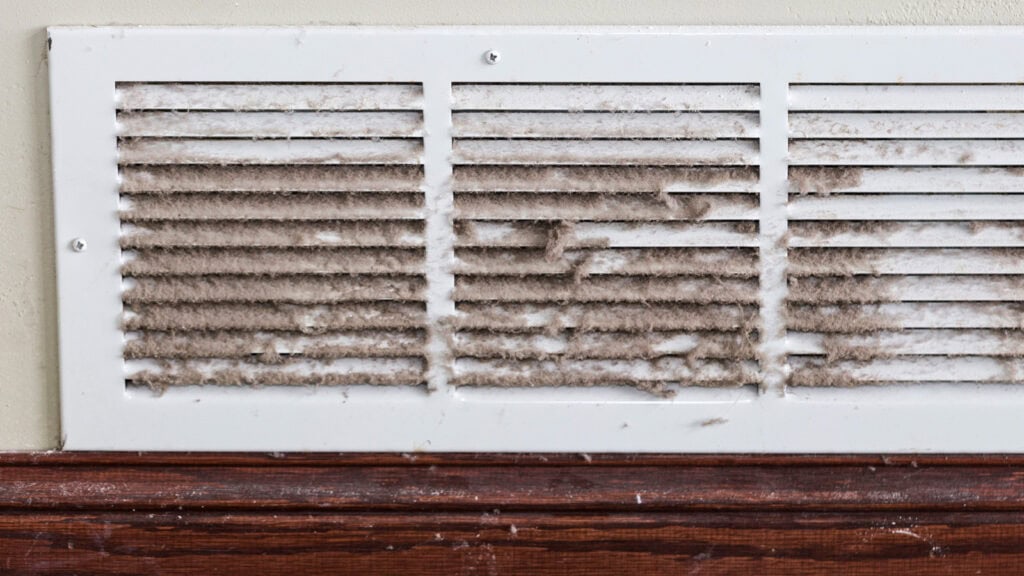
To understand why Colorado’s climate leads to this dust, you should first understand what dust is. Dust is essentially any combination of organic and inorganic matter that is microscopic. This includes:
The reason these particles are a major issue in our state is that dust is so light it can easily float in the air, especially when humidity is low, since there is no moisture to weigh it down. This allows the dust to float around your home and eventually settle on your belongings.
If you live here, you’re likely no stranger to outdoor dust. In Pikes Peak country, there is a lot of dry soil, sand, and pollen. This dust is highly mobile, so the wind can pick it up and carry it right to your home. Indoor elements also contribute to bringing dust into your Colorado Springs home. In the winter in particular, the use of forced-air heating systems to heat homes increases static electricity, which can draw more dust to electronics and furnishings. In addition, every time you open a door or window, outside air will mix with the air in your home, increasing the amount of dust inside.
You need to be careful not to let the dust from inside your Colorado home accumulate too much. For one thing, poor air quality can lead to:
In terms of home maintenance, it is time-consuming and tiring to clean dust from everything in your home, replace air filters, and, in some cases, vacuum or change other filters. Dust is also very abrasive, so it can get into all sorts of appliances and other electronics, reducing their longevity.
Since Colorado’s climate produces a lot of dust, you will want to focus on restoring moisture to your home. Humidifying your home, either throughout or in individual rooms, will help weigh down dust so it settles or is trapped and removed. Using an HVAC filter, especially a high-quality pleated filter, in addition to your air duct cleaning program, will help with this by preventing dust from circulating and settling in your home. In addition, seal off doors and windows with weatherstripping as much as possible to reduce dust coming from outdoors.
The arid climate of Colorado means that dust will always be a problem, but you don’t have to accept poor air quality. You should take measures to combat dust by using moisture in your air and your filters to prevent its spread. You can also prevent the dust from entering your home in the first place and clean it out of your home through your HVAC ducts. The Colorado Duct Doctors in Colorado Springs are ready to help you prevent dust buildup from damaging your HVAC. Reach out to us to request a quote for air duct cleaning and get you started on the road to a clean, healthy home.
Colorado Duct Doctors did an awesome job for us! As new parents it’s pretty great knowing we have a lot cleaner air flowing through the house. Highly recommend!
